Tracing Player Migration Patterns Following Platform Policy Adjustments in Multi-Jurisdictional Wagering Services
Written by Anna Neumann · Jul 25, 2026
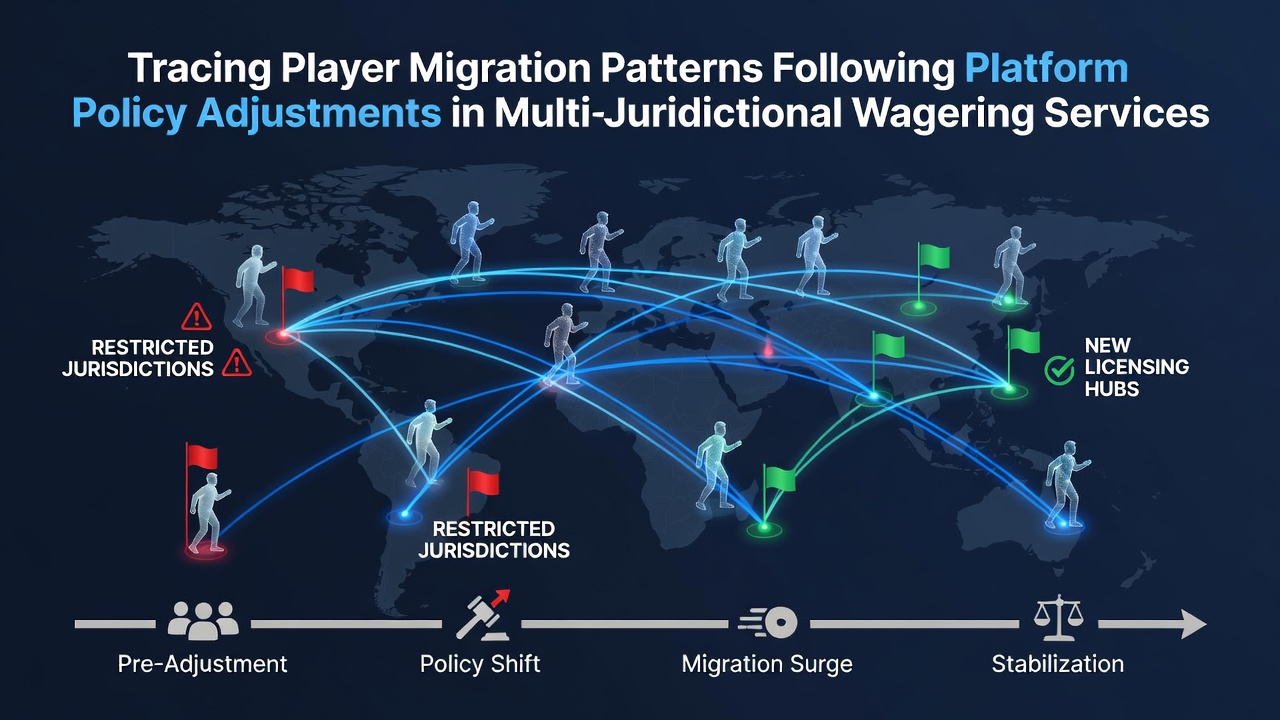
Tracing Player Migration Patterns Following Platform Policy Adjustments in Multi-Jurisdictional Wagering Services
Platform policy adjustments across multiple jurisdictions have prompted measurable shifts in player activity within wagering services during 2026, with data collection efforts revealing patterns of movement between operators and regions. Regulatory updates in several US states and European markets during the first half of the year altered licensing requirements, tax structures, and verification processes, and analysts have tracked corresponding changes in user registrations and transaction volumes. Those who monitor these networks note that players often respond by relocating their activity to platforms operating under different sets of rules, while operators adjust their offerings to retain market share.
Regulatory Adjustments in Key Markets
Multiple jurisdictions implemented changes to wagering regulations between January and July 2026, including revised tax rates on gross gaming revenue in certain US states and updated compliance standards for cross-border operators in the European Union. The American Gaming Association documented several instances where states modified licensing fees and player protection mandates, which in turn affected how platforms structured their services for users in those areas. Observers note that similar adjustments occurred in Canadian provinces where online gaming frameworks expanded, prompting operators to reassess their jurisdictional footprints and user agreements.
These policy shifts created situations where some platforms restricted access or altered bonus structures, while others expanded into markets with more favorable conditions. Research from academic institutions tracking digital wagering indicates that such changes frequently correlate with spikes in account creations on alternative services, particularly those licensed in jurisdictions with streamlined verification or lower operational costs. Data shows players migrating toward platforms that maintain consistent access across multiple regions, and figures reveal increased activity in areas like certain EU member states that updated their frameworks earlier in the decade.
Data on Migration Flows
Analyses of transaction records and registration trends from mid-2026 highlight distinct migration corridors between wagering platforms. One study compiled by researchers at a European university examined anonymized user data across multi-state networks and found that approximately 12 percent of tracked accounts showed activity moving from operators impacted by stricter tax regimes to those in neighboring jurisdictions with different policies. These movements often occurred within weeks of announced adjustments, and the patterns aligned with changes in deposit volumes and session frequencies reported by industry tracking services.
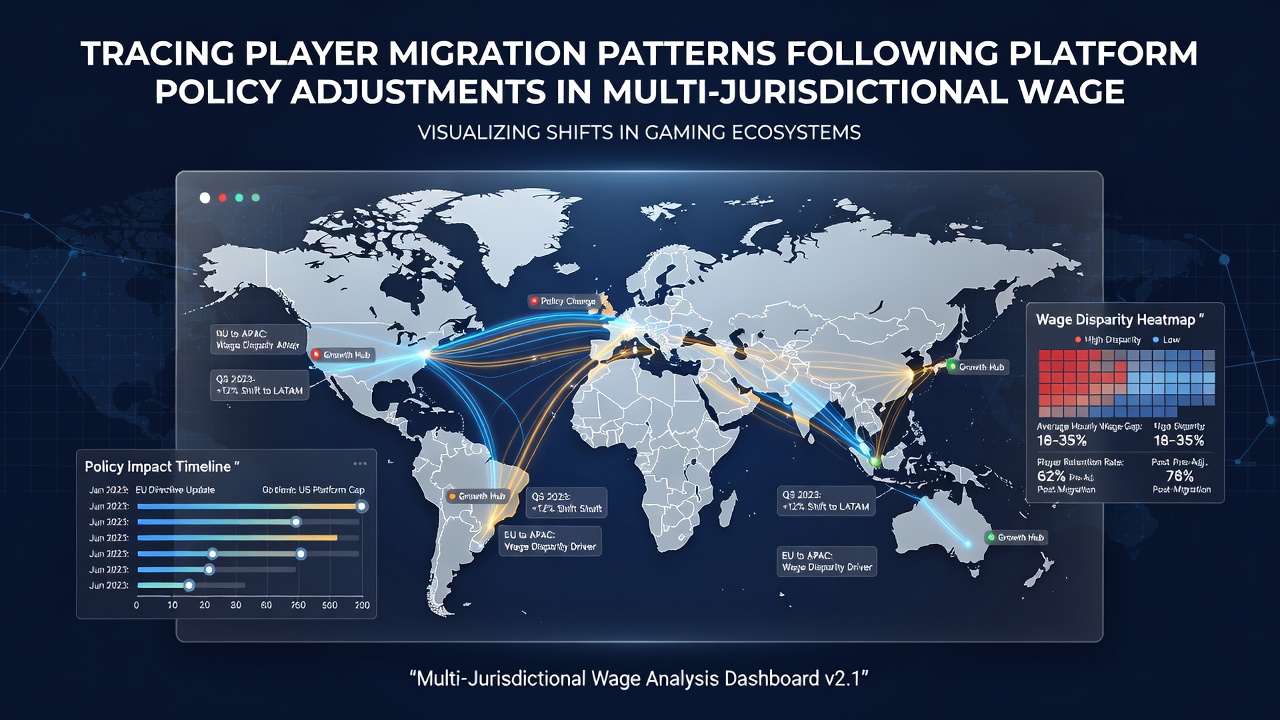
Platforms operating under multi-jurisdictional licenses experienced varied outcomes, with some seeing net gains in users from regions where competitors tightened rules on promotions or age verification. According to reports issued by the Malta Gaming Authority, cross-border operators noted elevated inquiry volumes from users seeking clarification on service availability following policy announcements in other markets. The reality is that these migrations tend to concentrate around periods of regulatory announcement, and evidence suggests players prioritize continuity in payment processing and game selection when selecting new platforms.
Case Examples from 2026
Take one instance involving a major operator that revised its terms in response to new requirements in two Midwestern US states during spring 2026; subsequent data from platform analytics showed a portion of its user base increasing activity on affiliated services licensed elsewhere. Another example involves operators in Australian markets where state-level reviews prompted adjustments to responsible gaming tools, after which monitoring groups recorded transfers of play to international platforms accessible from the same devices. Those who've examined the datasets point out that migration often involves users maintaining multiple accounts rather than complete relocation, allowing them to navigate varying rules without full disruption.
What's interesting is how these patterns interact with existing user behaviors, such as preferences for certain payment methods that remain available across borders. Research indicates that platforms offering unified wallets or faster cross-jurisdictional transfers captured higher shares of migrating activity in the months following the adjustments. Figures from industry associations reveal that overall wagering volumes remained stable in many markets, yet the distribution among operators shifted noticeably by July 2026.
Implications for Platform Strategies
Operators have responded to observed migration trends by enhancing interoperability features and aligning policies where possible across their licensed regions. Data from regulatory filings shows increased investment in compliance technology that supports seamless user transitions without violating local rules. Experts have observed that platforms maintaining presence in multiple jurisdictions often benefit from diversified revenue streams, as activity moves between their own offerings rather than departing the network entirely.
Academic papers examining similar shifts in prior years suggest that long-term effects include greater consolidation among larger operators capable of absorbing compliance costs. Those monitoring these developments note that smaller platforms sometimes lose ground when users seek services with broader jurisdictional coverage, though the specific outcomes depend on the nature of each policy adjustment.
Conclusion
Tracing these migration patterns provides insight into how wagering services adapt within fragmented regulatory environments. The data collected through 2026 demonstrates that player movements follow predictable responses to policy changes, with activity concentrating on platforms that balance compliance and accessibility. Continued monitoring by regulatory bodies and research groups will likely refine understanding of these dynamics as additional adjustments occur across jurisdictions.