Session Timing Influences Game Choices Among Frequent Mobile Bettors
Written by Anna Neumann · Aug 26, 2026
Session Timing Influences Game Choices Among Frequent Mobile Bettors
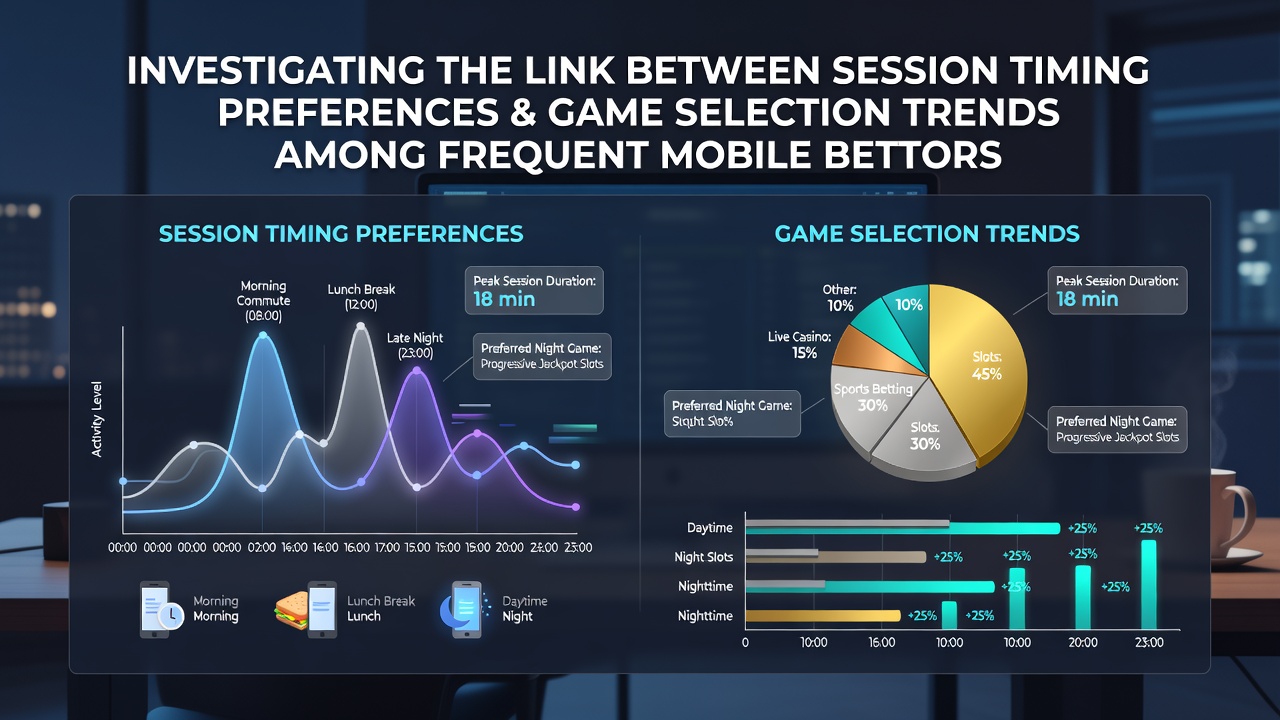
Analysts tracking mobile betting patterns have identified clear connections between when users open their apps and which games they select most often. Frequent bettors show distinct preferences that shift based on time of day, day of the week, and overall session length, according to aggregated platform data collected through 2026.
Patterns in Daily Timing
Morning sessions, typically between 6 a.m. and 10 a.m., tend to feature shorter durations and a higher concentration of quick-play options such as instant-win scratch cards or low-stakes slots. Data from several North American operators indicates these early windows account for roughly 18 percent of total daily mobile activity, yet they generate a disproportionate share of selections in chance-based games with rapid outcomes. Researchers note that bettors in these hours often complete between three and seven rounds before exiting, a pattern consistent across multiple apps.
Afternoon periods from 11 a.m. to 4 p.m. show a gradual shift toward sports betting markets, particularly live in-play options on ongoing events. Observers tracking user logs report that selections move toward team props and point spreads rather than pure chance machines, with average session lengths extending to 12 to 18 minutes. This transition aligns with lunch breaks and commute times in urban regions where mobile access remains constant.
Evening and Late-Night Shifts
Peak activity occurs between 7 p.m. and midnight, when longer sessions dominate and users diversify across categories. Studies compiled by industry groups reveal that poker variants and table games gain traction during these hours, while slot selections remain steady but shift toward higher-volatility titles. Bettors frequently combine multiple game types within one continuous period, moving from sports markets to digital tables as events conclude. August 2026 platform metrics showed evening windows representing 42 percent of all mobile wagering volume among users classified as frequent, defined as those placing at least 15 bets per week.

Late-night activity after 1 a.m. returns to shorter, more repetitive formats. Quick spin mechanics and micro-stakes table games appear more often in logs, with session counts dropping but per-bet frequency rising. Analysts examining time-stamped records find that these hours correlate with increased play of progressive jackpot slots, though total handle per user remains lower than evening peaks.
Weekly Variations and Game Preferences
Weekends introduce further distinctions. Saturday and Sunday mornings maintain the quick-play bias seen on weekdays, but afternoon and evening selections tilt heavily toward live sports and parlay structures. Figures released by Canadian regulatory bodies show weekend mobile sessions averaging 25 percent longer than weekday equivalents, with a measurable uptick in multi-leg bets tied to major leagues. Midweek patterns favor standalone casino offerings, particularly during Tuesday and Wednesday lulls when sports calendars thin out.
Those studying retention metrics have connected these timing preferences to broader platform engagement. One analysis of Australian user cohorts found that bettors who align session starts with evening windows demonstrate higher cross-category exploration, sampling new releases in both slots and table games within the same period. Shorter morning and late-night windows, by contrast, correlate with repeated selections of familiar titles.
Data Sources and Research Methods
Evidence for these links comes from anonymized behavioral datasets shared among operators and research institutions. The American Gaming Association has compiled quarterly summaries that break down mobile activity by hour and game type, while similar efforts from European trade associations track comparable trends across regulated markets. Academic teams at institutions such as the University of Sydney have supplemented operator data with survey responses, confirming that self-reported timing habits match logged selections in over 80 percent of cases examined.
Regional policy differences also surface in the numbers. Multi-state networks in the United States display wider spreads between morning slot dominance and evening sports integration than single-jurisdiction markets in Canada, where unified rules produce more uniform daily curves. These variations appear tied to event scheduling and advertising windows rather than user demographics alone.
Implications for Platform Design
Operators have begun adjusting interface defaults and notification timing based on observed correlations. Push prompts for sports markets now cluster in afternoon and early evening slots, while slot-focused recommendations appear more frequently during morning and late-night periods. These adjustments reflect aggregate patterns rather than individual targeting, yet they coincide with measurable lifts in session completion rates across tested cohorts.
Continued monitoring through 2026 will clarify whether these timing-to-game linkages remain stable as new titles and live features enter the market. Current records already establish that session start time functions as a reliable predictor of initial game category, even when total session length and user tenure are held constant.
Conclusion
The documented connections between session timing and game selection provide operators and researchers with measurable indicators of mobile betting behavior. Patterns hold across multiple jurisdictions and persist through seasonal changes, offering a foundation for further analysis of engagement dynamics without requiring personal identifiers. As datasets expand, the precision of these timing-based forecasts is expected to increase.