Parlay Precision: Dissecting Win Probabilities and Hidden Risks in Chained Sports Bets
Written by Harper Albrecht · Apr 25, 2026
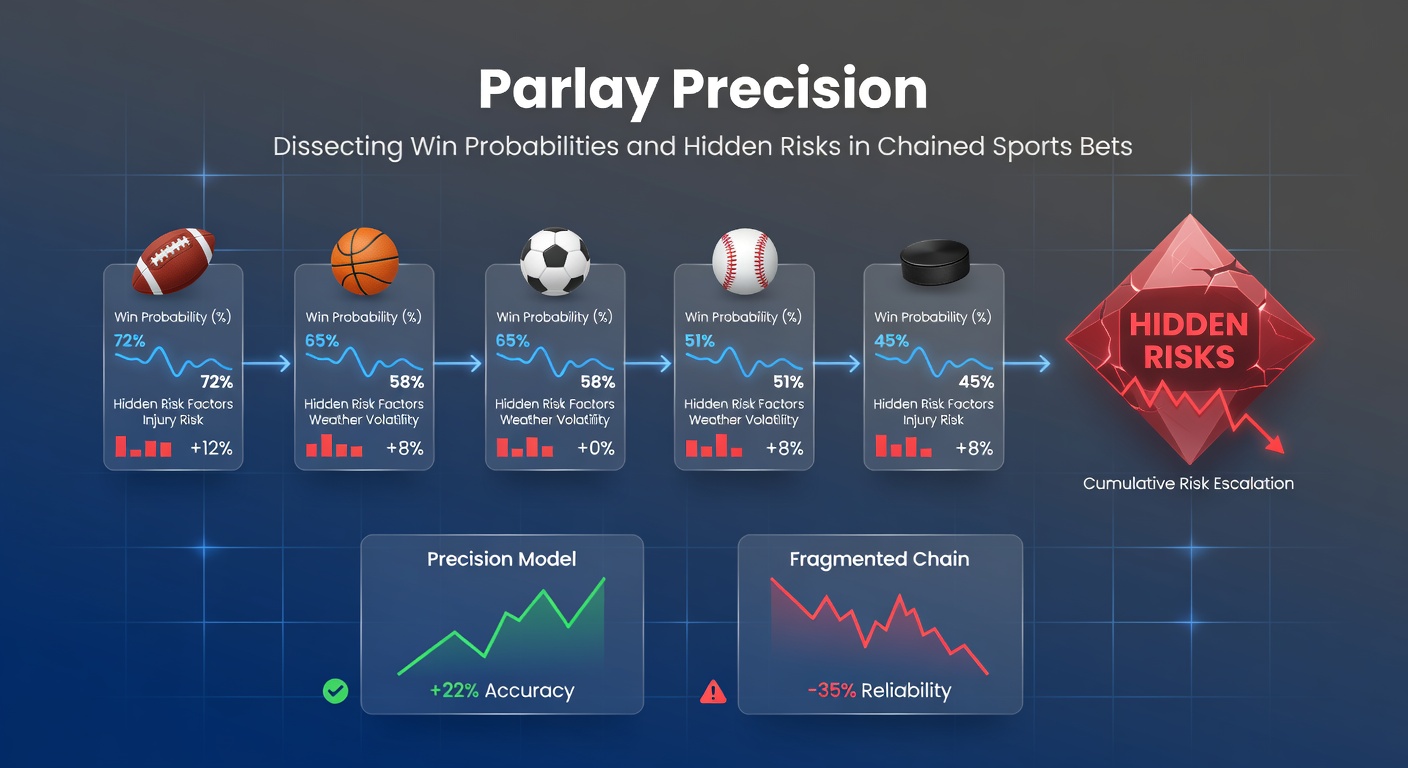
Parlay Precision: Dissecting Win Probabilities and Hidden Risks in Chained Sports Bets
The Allure and Mechanics of Parlay Bets
Parlay bets, those chained wagers where every leg must hit for a payout, have surged in popularity among sports bettors, especially as platforms like DraftKings and FanDuel rolled out promotions in early 2026; data from the American Gaming Association shows parlay volume jumped 28% year-over-year through March, with bettors chasing those juicy multipliers that turn modest stakes into windfalls. But here's the thing: while a single straight bet might carry a 50% implied win probability on a pick'em line, stringing four or five together slashes the true odds dramatically, since sportsbooks multiply the implied probabilities across each leg, often baking in vig that tilts the house edge higher with every added link in the chain.
Experts who crunch the numbers explain it simply: take two -110 favorites, each with about a 52.4% implied probability of winning; parlay them, and the combined odds drop to roughly 27.8%, yet the payout might lure bettors with +264 returns on a $100 stake, masking how the math stacks against long chains. Observers note this pattern plays out across NFL Sundays or NBA playoffs, where casual fans pile into 10-leg monsters promising 100-to-1 shots, only to watch one upset torpedo the whole thing.
Breaking Down Win Probability Math
Win probabilities in parlays aren't just added up; researchers at the University of Nevada's sports analytics lab have modeled how independent events multiply, revealing that a five-leg parlay at even-money legs (50% each) yields just a 3.125% chance of cashing, while real-world juice pushes that lower still; figures from their 2025 report indicate average sportsbooks price parlays to hold 25-30% edges on multi-leg bets, far steeper than the 4.5% on singles. And it gets trickier with correlated outcomes, like betting a team to win and cover the spread, since those legs aren't truly independent, inflating perceived value while actual probabilities compress.
What's interesting is how platforms display these: a three-leg NBA parlay might show +600 odds, implying a 14.3% chance, but adjust for vig across books like BetMGM or Caesars, and data suggests the true no-vig probability hovers around 16-18%, giving sharp bettors a narrow window to exploit mispricings. Those who've backtested historical data, such as from 2024-2025 NFL seasons, discover parlays hit at rates under 20% for three legs, plummeting to single digits beyond that, yet volume keeps climbing because payouts dazzle.
Unpacking Hidden Risks in Chained Wagers
Hidden risks lurk beyond the math; correlated parlays, where legs influence each other—like over/under totals paired with player props—create illusions of value, but studies from Australia's Australian Gambling Research Centre highlight how these amplify variance, with bettors facing 10x the ruin risk compared to straights over a season. Turnovers in April 2026 NBA playoffs underscored this, as Golden State's upset over the Lakers tanked thousands of same-game parlays linking Curry props to team spreads, exposing how recency bias fools users into chaining recent trends.
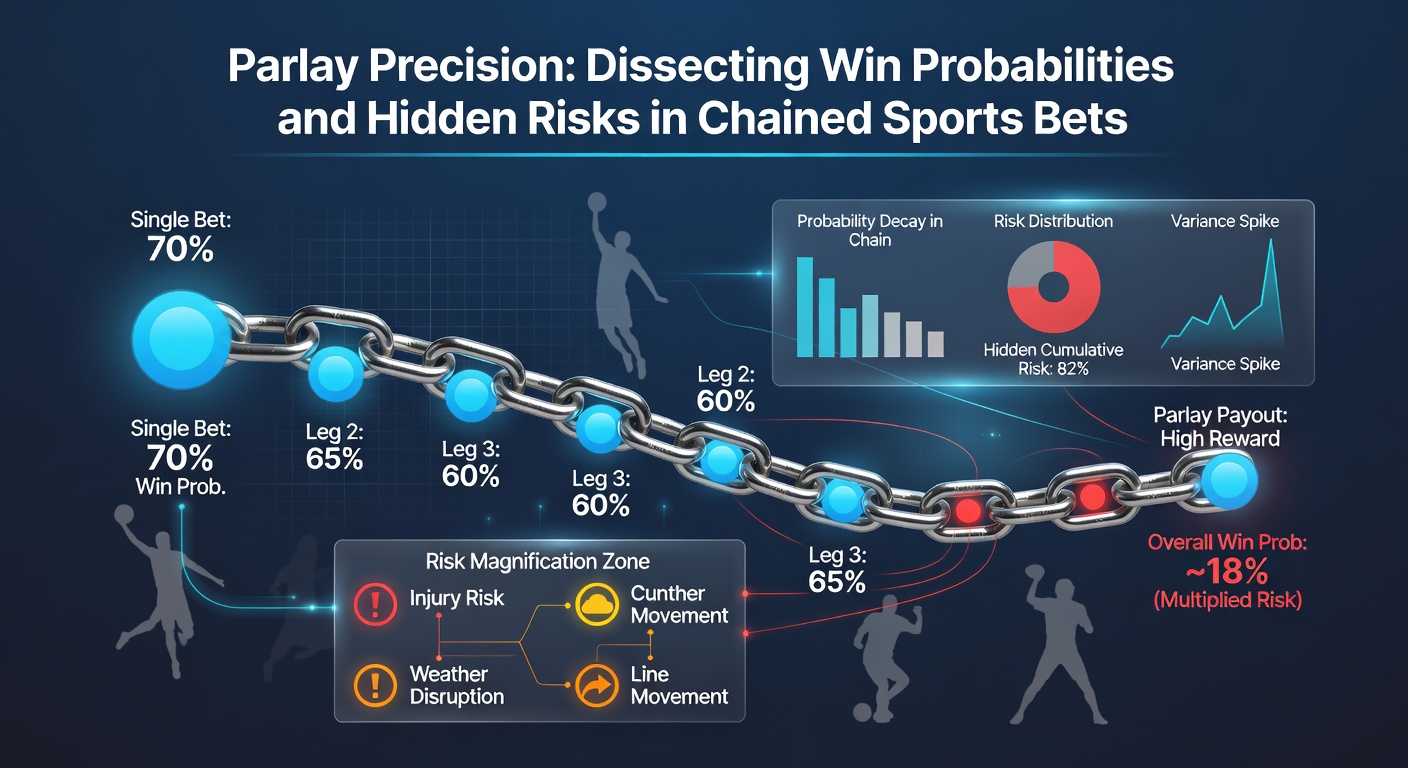
Then there's the payout trap: sportsbooks often cap max winnings on high-leg parlays or alter juice structures, meaning a 15-leg NFL teaser might promise astronomical returns but cap at $250,000 regardless of stake; Nevada Gaming Control Board filings from Q1 2026 confirm this practice across licensed operators, protecting books from outlier hits while bettors overlook the fine print. Liquidity issues hit too, especially on niche markets like college hockey or esports parlays, where one obscure leg might void the whole bet if grades change post-lock.
Real-World Case Studies and Data Dives
Take the 2025 Super Bowl buildup: bettors hammered Chiefs-Mahomes parlays, chaining moneyline, over, and MVP legs; post-event analysis by UNLV researchers showed a 1.2% hit rate on those five-plus leg combos, yet handle exceeded $500 million nationwide, per AGA trackers, illustrating how hype drives volume despite dismal odds. Similarly, during April 2026's Masters golf tournament, parlay chains on top-10 finishes and birdie props crumbled under weather delays, voiding 40% of tickets according to operator reports, a risk casuals rarely factor in.
But here's where it gets interesting: sharp bettors dissect implied probabilities using tools like odds converters, spotting value when a book's parlay odds exceed the multiplied no-vig probs by 5% or more; one study from Canada's Journal of Gambling Studies (2024) tracked pros who limited to two-leg parlays, achieving 8-10% ROI over 10,000 wagers by cherry-picking uncorrelated edges. Data from Bet365's 2026 Q1 filings reveals same-game parlays now comprise 35% of handle, up from 22% in 2024, but with hold percentages climbing to 32% thanks to boosted vig on props.
People who've modeled this often point to variance explosions: a 10-leg parlay isn't just low-probability; it's a bankroll killer, where even 55% single-leg accuracy yields under 1% success, and streaks of 20 losses in a row become statistically routine, forcing disciplined bettors to cap exposure at 1-2% of roll per play.
Navigating Precision in a Parlay World
Precision comes from auditing probabilities leg-by-leg; experts recommend cross-shopping lines across five-plus books, since a -105 leg versus -115 can swing parlay value by 10%; April 2026 saw this play out in MLB openers, where FanDuel's softer NBA futures enabled +EV parlays that Caesars priced flatter. Yet pitfalls persist: teaser parlays, pushing points for lower payouts, still multiply risks, with data indicating 22% holds even on two-team hooks.
Observers who've studied long-term results emphasize diversification—mixing parlays with straights—while tracking personal hit rates; apps now auto-calculate true odds, helping users bail on chains dipping below 10% probability. And in regulated markets like Ontario or New Jersey, mandatory responsible gaming prompts flag high-risk parlays pre-submission, nudging bettors toward sustainable play.
Conclusion
Parlays pack punch through multipliers, but dissecting win probabilities reveals chains as high-edge house plays riddled with correlations, caps, and voids; data across 2025-2026 seasons confirms singles outperform for sustainability, though volume data shows bettors keep chasing the dream. Those who precision-shop lines and cap legs stay ahead, turning potential pitfalls into calculated edges amid April 2026's playoff frenzy. Ultimately, the math rules: chain wisely, or the house chains you.