How Predictive Modeling Adjusts Real-Time Odds Displays in Multi-Sport Digital Wagering Interfaces
Written by Alex Werner · Jul 27, 2026
How Predictive Modeling Adjusts Real-Time Odds Displays in Multi-Sport Digital Wagering Interfaces
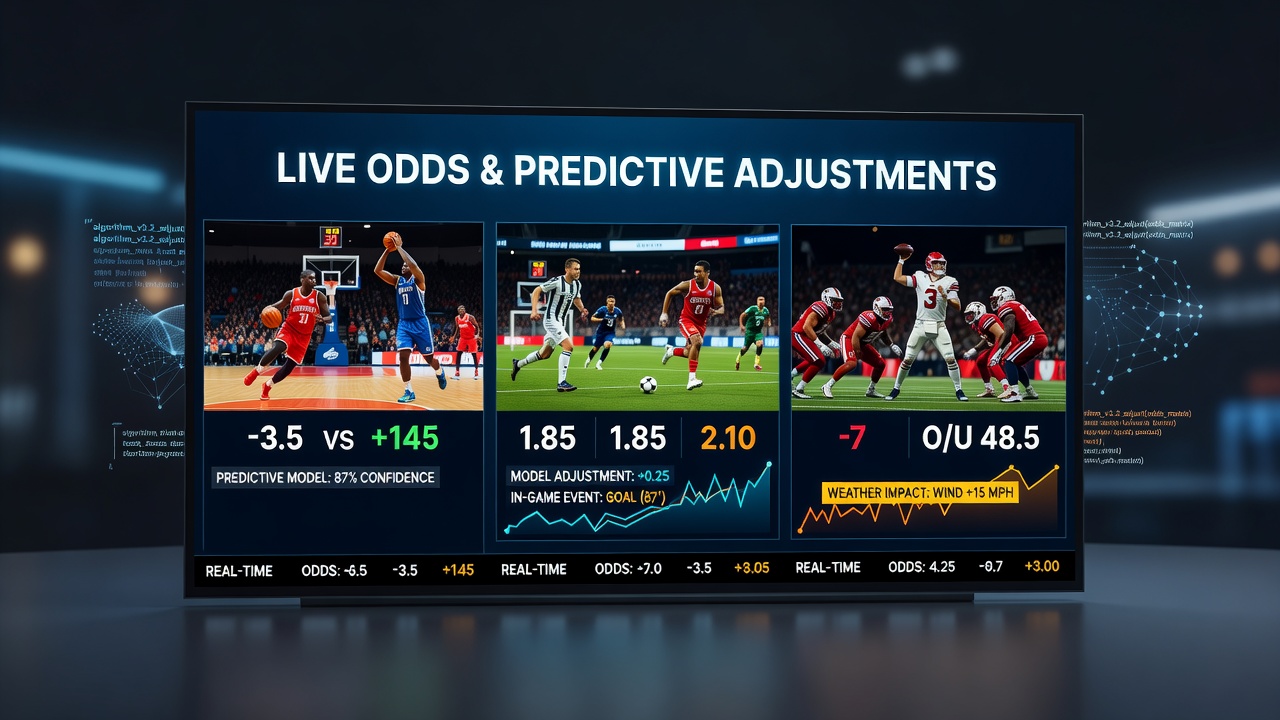
Operators in multi-sport digital wagering rely on predictive modeling to recalculate odds as live events unfold, and these systems pull from vast datasets that include historical performance metrics, player injuries, weather conditions, and in-game statistics to generate updated probabilities that appear on user screens within seconds. The process begins with machine learning algorithms that process incoming data streams, and because events in sports like soccer, basketball, and tennis generate thousands of data points per minute, models must balance speed with accuracy to avoid displaying stale figures that could affect wagering decisions.
Core Components of Predictive Systems
Data scientists build these models around regression techniques and neural networks that weigh variables differently depending on the sport, so a model tracking baseball might emphasize pitch velocity and batting averages while one focused on hockey prioritizes shot attempts and goalie save percentages. Real-time inputs arrive through APIs connected to official league feeds, and once the data enters the system, algorithms compare current game states against thousands of similar historical scenarios to produce new implied probabilities that translate directly into displayed odds.
Adjustments happen continuously during play, and when a key variable shifts such as an unexpected substitution or a sudden change in momentum, the model recalibrates outputs and pushes revised numbers to the interface without requiring manual intervention from operators. In July 2026, several major platforms reported handling over 50,000 live odds updates per hour across multiple sports during peak tournament periods, according to industry tracking reports from the European Gaming and Betting Association.
Integration Across Multiple Sports Platforms
Multi-sport interfaces present unique challenges because models must handle varying rules and data formats simultaneously, and developers therefore maintain separate sub-models that feed into a unified display layer. For instance, a platform offering both American football and cricket uses sport-specific feature sets yet synchronizes the final odds presentation so users see consistent formatting regardless of the event they select. This layered approach allows the system to prioritize the most influential variables for each contest while maintaining overall platform stability during high-traffic periods.
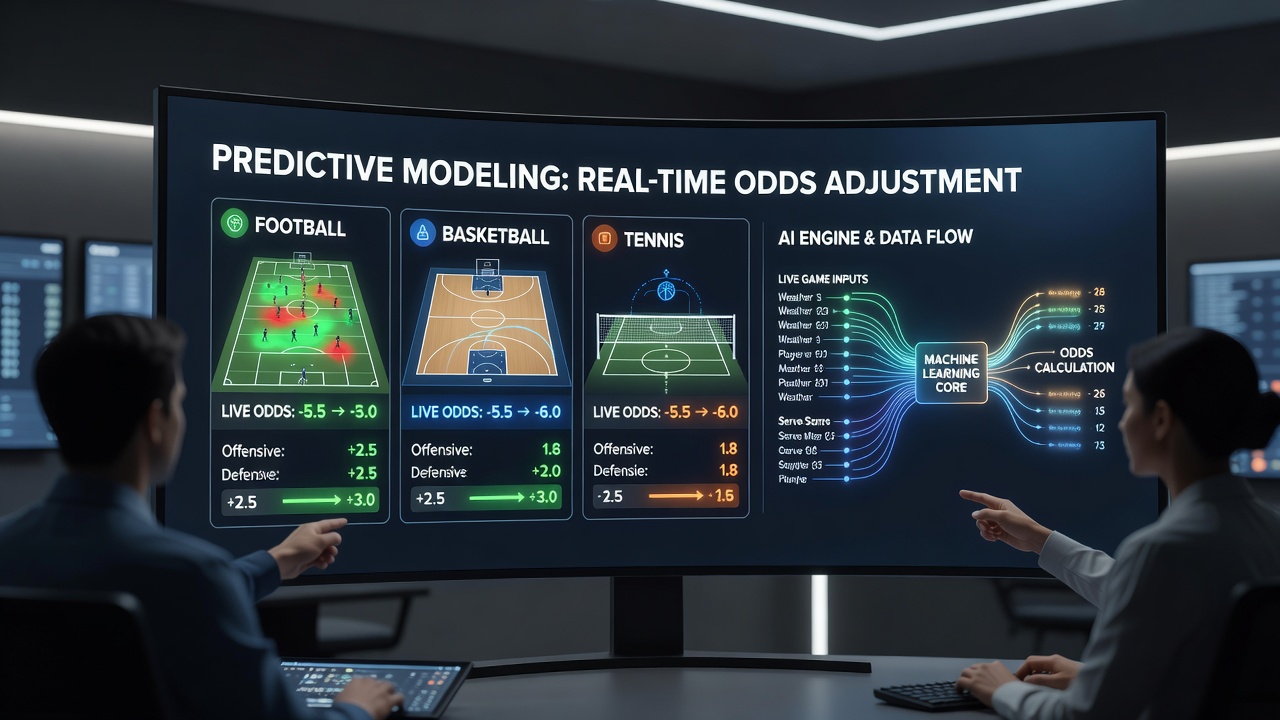
Research from the University of Nevada's gaming analytics program shows that platforms employing ensemble methods, which combine outputs from multiple models, achieve lower error rates in odds accuracy compared with single-model approaches. Those findings indicate that combining gradient boosting with deep learning layers helps capture both linear trends and complex nonlinear interactions that arise in fast-moving games.
Handling Latency and Data Quality
Latency remains a critical factor because even brief delays can render an odds display outdated, and engineers therefore deploy edge computing nodes closer to data sources to shorten transmission times. When data quality issues arise, such as incomplete feeds from a particular venue, models incorporate confidence intervals that widen the displayed odds ranges until reliable inputs resume. This mechanism prevents the interface from showing misleading figures during temporary outages while still allowing continued wagering on unaffected markets.
Operators also apply anomaly detection routines that flag unusual data patterns, and when these routines trigger, the system temporarily freezes updates for that specific market until human reviewers or secondary verification processes confirm the inputs. Such safeguards have become standard across North American and Australian wagering networks following regulatory guidance issued by bodies like the Nevada Gaming Control Board and the Australian Communications and Media Authority.
Impact on User Interfaces and Display Logic
The final odds values appear on screens through front-end frameworks that refresh selected sections without reloading entire pages, and predictive outputs determine not only the numeric odds but also color-coded indicators that signal movement direction. Users therefore observe both the current price and whether it has shifted favorably or unfavorably since their last view. These visual cues rely on the same underlying model outputs, ensuring that every displayed element remains synchronized with the latest probability calculations.
Platforms further segment markets by liquidity, applying more aggressive update frequencies to high-volume events while using slightly longer refresh intervals for niche contests where data arrives less frequently. This tiered strategy conserves computational resources without compromising the accuracy of popular betting options that attract the majority of activity.
Conclusion
Predictive modeling forms the backbone of real-time odds management in multi-sport digital wagering environments, and continued advances in algorithm efficiency alongside improved data transmission infrastructure support faster and more precise adjustments. As events generate increasing volumes of live information, these systems evolve to maintain reliable displays that reflect current conditions across diverse sports simultaneously.