Encryption Frameworks Influencing User Assurance in Transnational Online Casino Transactions
Written by Yara Powell · Aug 17, 2026
Encryption Frameworks Influencing User Assurance in Transnational Online Casino Transactions
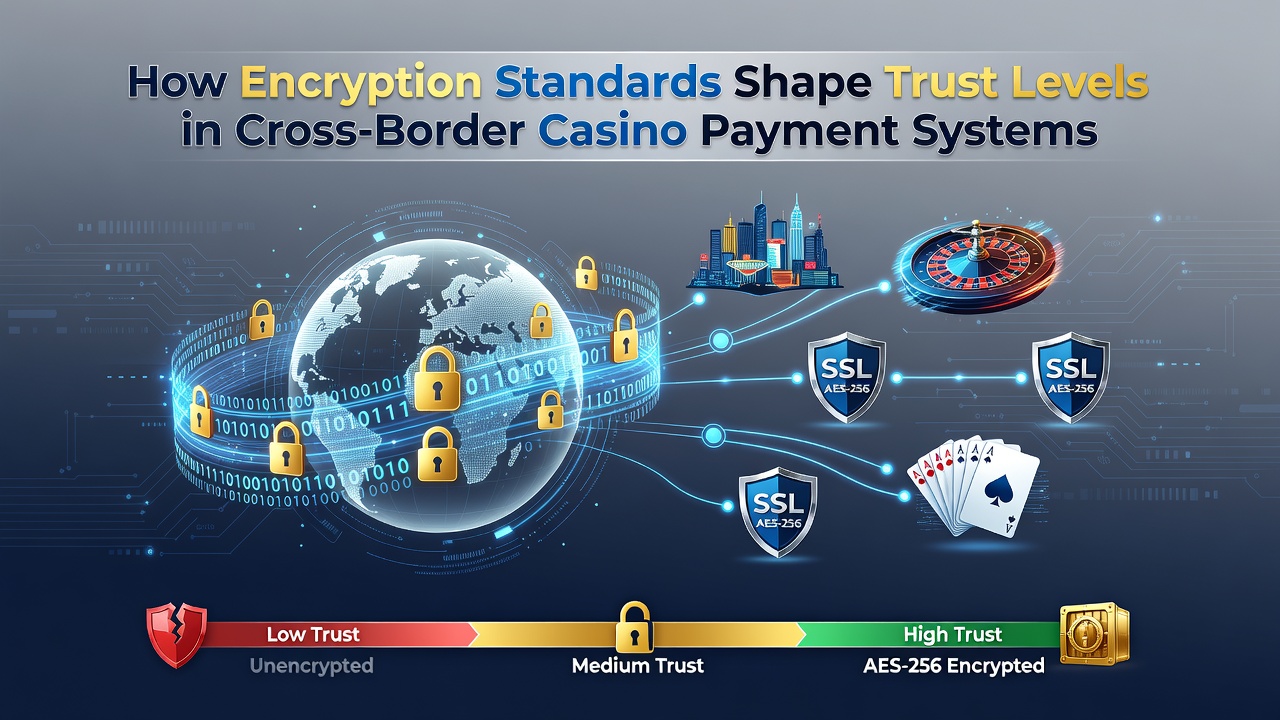
Encryption standards form the backbone of secure data transmission in cross-border casino payment systems, where financial details cross multiple jurisdictions daily. Standards such as AES-256 and TLS 1.3 encrypt sensitive information during transfers between players and operators located in different countries, and these protocols directly affect how users perceive reliability when moving funds across borders. Regulatory bodies in various regions require compliance with these measures, which shapes operational practices for platforms handling international transactions.
Core Encryption Protocols in Payment Processing
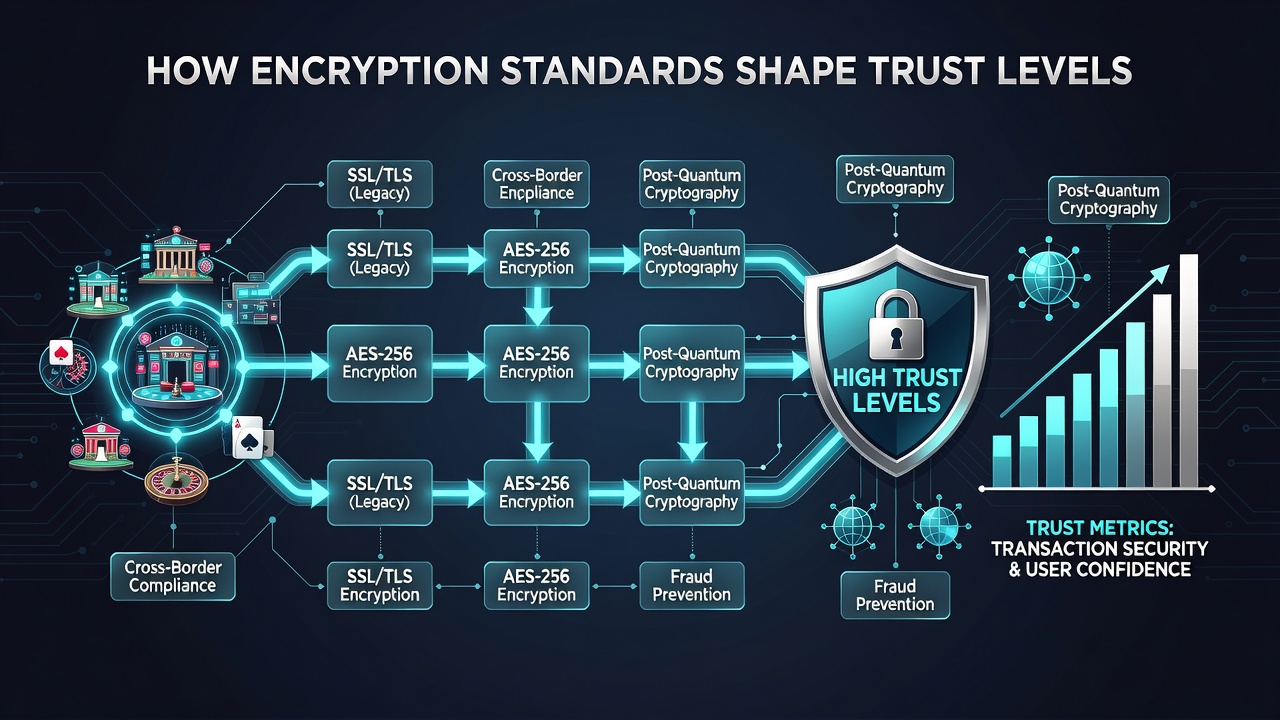
Advanced Encryption Standard with 256-bit keys serves as the primary method for protecting card details and account numbers in casino environments, while RSA algorithms manage key exchanges during initial connections. TLS 1.3 strengthens session security by reducing handshake times and eliminating older vulnerabilities, and platforms that implement these measures report fewer incidents of intercepted data according to industry monitoring groups. Observers note that operators in regions with strict mandates adopt these standards faster than those in less regulated markets, creating noticeable differences in transaction success rates across borders.
Regulatory Variations Across Regions
European frameworks emphasize data protection alongside encryption requirements, whereas North American and Asian approaches focus on financial transaction security through separate guidelines issued by agencies like those in Canada and Australia. A report released in August 2026 highlighted how alignment with updated NIST guidelines improved verification speeds for multi-country networks, and figures from that period showed reduced chargeback volumes where AES upgrades occurred. Platforms operating between the EU and Asia-Pacific zones must navigate these differences, which leads to layered encryption setups that satisfy the strictest applicable rules in each transaction path.
Payment processors integrate these standards into their systems to meet PCI DSS levels, and this compliance becomes visible to users through indicators such as secure connection badges during checkout. Research from academic institutions tracking digital finance patterns indicates that visible adherence correlates with higher completion rates for deposits originating outside domestic markets.
Impact on User Confidence Metrics
Trust levels rise when encryption prevents unauthorized access, as evidenced by lower fraud reports in systems using current TLS versions compared with legacy setups. Data collected through 2026 revealed that casinos displaying certification from recognized standards bodies experienced steadier player activity from overseas accounts, and this pattern held across both desktop and mobile interfaces. Those studying transaction logs found that delays caused by additional security checks decreased once end-to-end encryption became standard practice.
Cross-border challenges include varying enforcement of key management rules, yet unified protocols reduce friction when operators update their infrastructure to match international benchmarks. Industry associations document cases where platforms in one jurisdiction upgraded encryption and saw immediate improvements in approval rates from banks in partner countries. What's interesting here is how these technical upgrades translate into measurable retention gains without altering game offerings or bonus structures.
Future Developments and Ongoing Adaptations
Quantum-resistant algorithms are entering testing phases for casino payment gateways, with pilot programs underway in several multi-jurisdictional networks as of mid-2026. These emerging standards aim to future-proof data against advanced computational threats, and early adopters among operators report sustained confidence from high-volume international users. Collaboration between standards organizations and gaming regulators continues to refine requirements, ensuring encryption evolves alongside payment method innovations such as digital wallets and instant bank transfers.
Conclusion
Encryption standards continue to determine baseline security and resulting trust in cross-border casino payments through consistent application of protocols like AES-256 and TLS 1.3. Regional regulatory differences drive varied implementation speeds, yet measurable outcomes in fraud reduction and transaction completion demonstrate their practical value. As new threats emerge, ongoing updates to these frameworks maintain the integrity of international financial flows within the sector.