Decoding Biometric Authentication Protocols and Their Role in Streamlining Access Across Digital Wagering Platforms
Written by Harper Albrecht · Jun 1, 2026
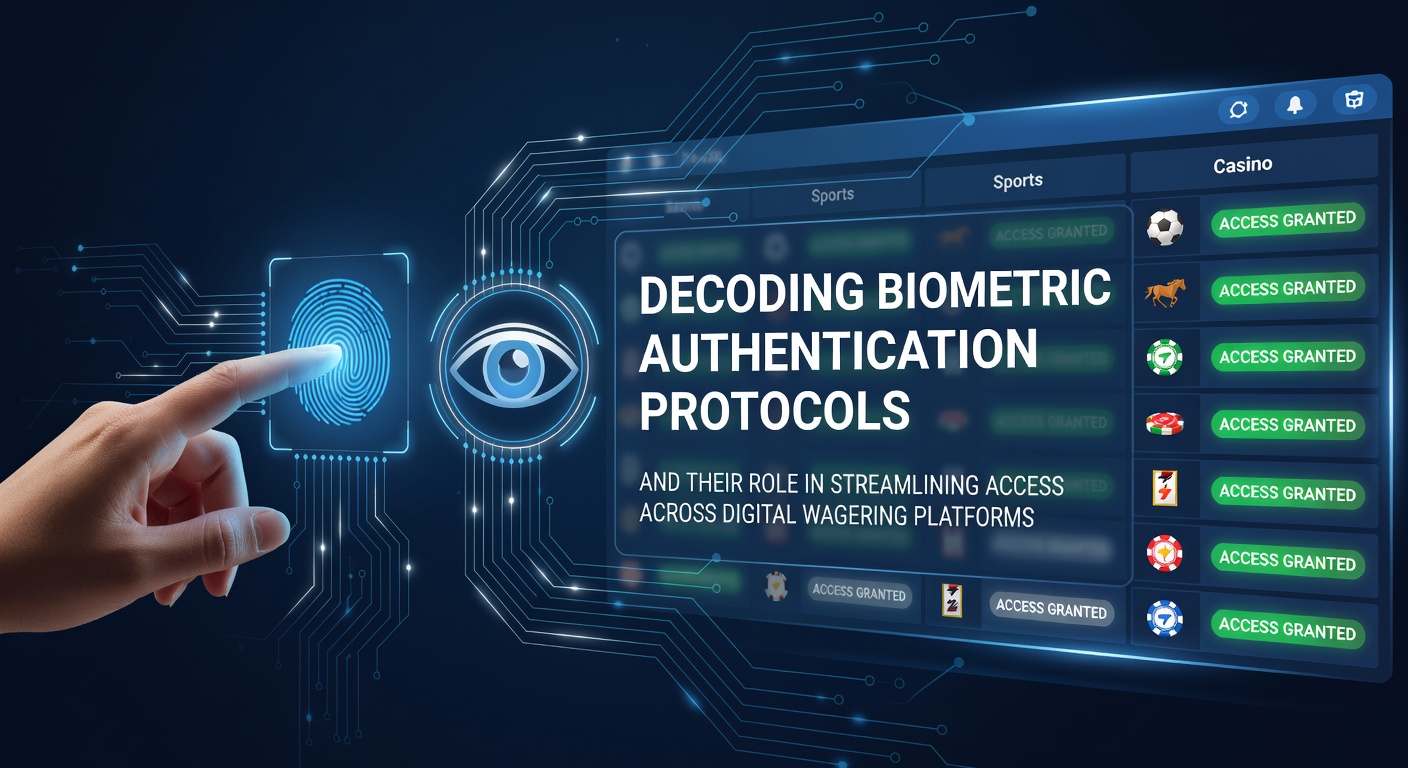
Decoding Biometric Authentication Protocols and Their Role in Streamlining Access Across Digital Wagering Platforms
Biometric authentication protocols rely on unique physiological or behavioral characteristics to verify user identity, and these systems have expanded rapidly within digital wagering platforms since their initial deployments in the mid-2010s. Fingerprint scanning, facial recognition, iris analysis, and voice pattern matching form core methods that replace or supplement passwords and two-factor codes, while data from industry reports indicates adoption rates climbed above 65 percent among major operators by early 2026.
Core Biometric Protocols in Use
Protocols operate through standardized frameworks that capture, encrypt, and compare biometric templates against stored references, and researchers at institutions such as the National Institute of Standards and Technology have documented performance metrics showing error rates below 0.1 percent for leading fingerprint systems when environmental conditions remain stable. Facial recognition protocols employ machine learning models trained on large datasets to account for variations in lighting and angles, whereas voice authentication analyzes frequency patterns and speech cadence that remain consistent even across different devices. Iris scanning delivers high precision in controlled settings yet requires specialized hardware that limits widespread mobile integration, and operators therefore combine multiple modalities to maintain both security and convenience.
Integration with Digital Wagering Access Flows
Digital wagering platforms embed these protocols at registration, login, and transaction checkpoints, and this placement allows users to complete identity verification in seconds rather than minutes. Systems transmit encrypted templates to secure servers where matching occurs without exposing raw biometric data, and platform logs record each successful authentication event for compliance audits. Observers note that seamless re-entry after initial enrollment reduces friction during live betting sessions, while account recovery processes now incorporate biometric resets instead of lengthy document uploads in many jurisdictions.
Streamlining Effects on User Sessions and Operations
Access times shortened measurably after biometric rollout, with internal metrics from several large operators revealing average login durations dropping from 28 seconds to under 9 seconds. This acceleration supports higher session continuity because users encounter fewer interruptions when switching between devices or resuming interrupted bets. Backend systems benefit as well since automated verification decreases manual review queues for customer support teams, and regulatory filings submitted in June 2026 highlighted corresponding reductions in identity-related dispute volumes across North American and European markets.
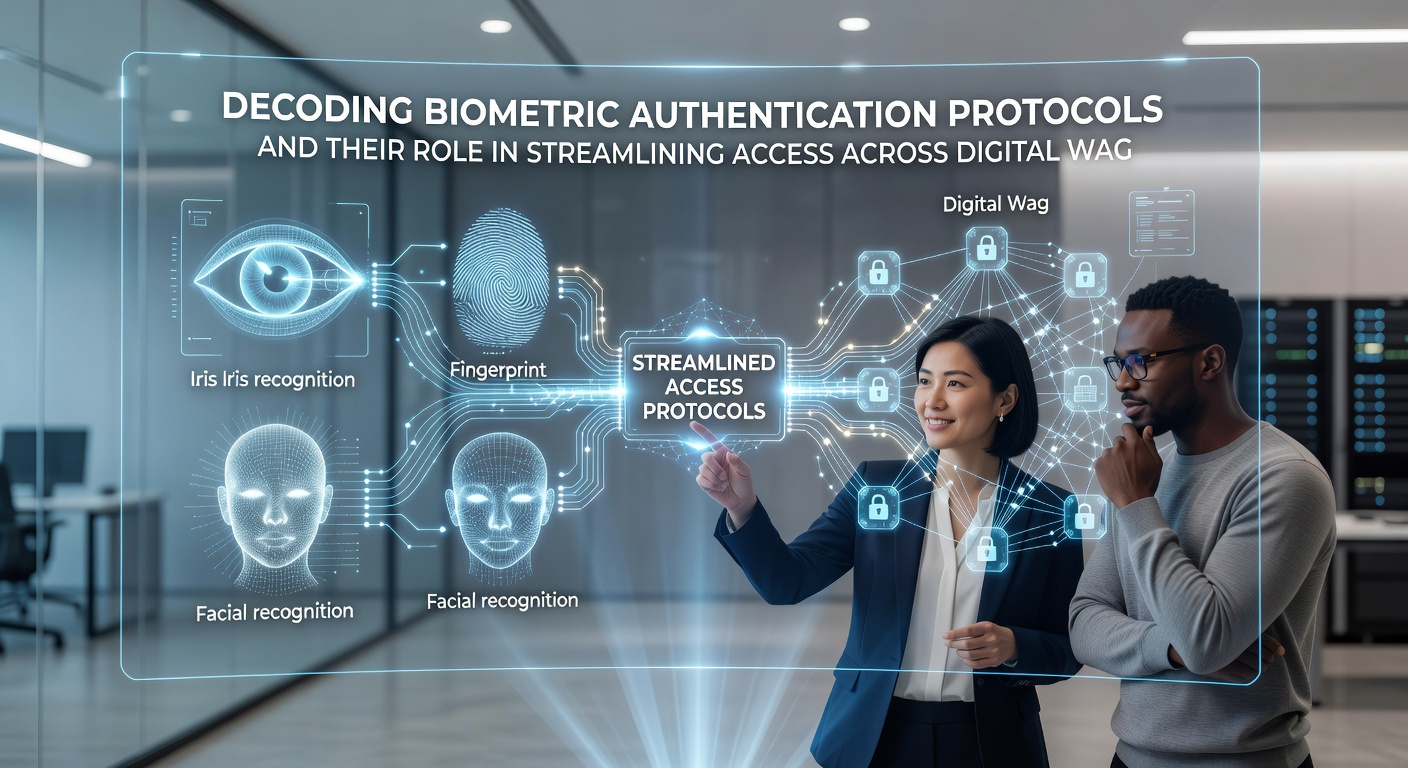
Data centers handling biometric workloads employ specialized hardware accelerators that process matching algorithms at scale, and capacity planning documents indicate these upgrades accommodated simultaneous peak loads exceeding 1.2 million verifications per hour during major sporting events. Cross-platform synchronization further enables consistent access whether users engage via mobile applications or desktop interfaces, while API standards developed by industry consortia ensure interoperability between different biometric vendors.
Regulatory Context and Standards Evolution
Authorities in multiple regions updated guidelines during 2025 and 2026 to address biometric data handling, and the Australian Communications and Media Authority issued updated expectations around consent and storage that took effect in the first half of 2026. NIST biometric standards continue to influence template protection requirements, while Canadian provincial regulators incorporated similar provisions into their licensing criteria for online operators. Compliance teams now conduct regular algorithm audits to verify ongoing accuracy and to detect potential demographic performance disparities across user populations.
Implementation Case Examples
One major North American operator deployed a hybrid fingerprint-plus-facial system in late 2025 that processed over 4 million enrollments within the first quarter, and transaction completion rates rose 14 percent compared with the prior password-only baseline. European platforms adopted voice-assisted verification for customer support calls that authenticate high-value account changes without requiring additional PIN entry. Observers tracking these deployments report that integration timelines averaged 11 months when platforms leveraged existing third-party biometric SDKs rather than building proprietary solutions from scratch.
Conclusion
Biometric authentication protocols continue to reshape access management across digital wagering environments through measurable reductions in verification time and improved alignment with regulatory expectations. Ongoing refinements in template security and cross-device compatibility point toward broader deployment, while standards bodies maintain focus on performance consistency and data protection across jurisdictions.